


-

Add: HeBei ShengShi HongBang Cellulose Technology CO.,LTD.
-

Email
13180486930@163.com -

CONTACT US
+86 13180486930



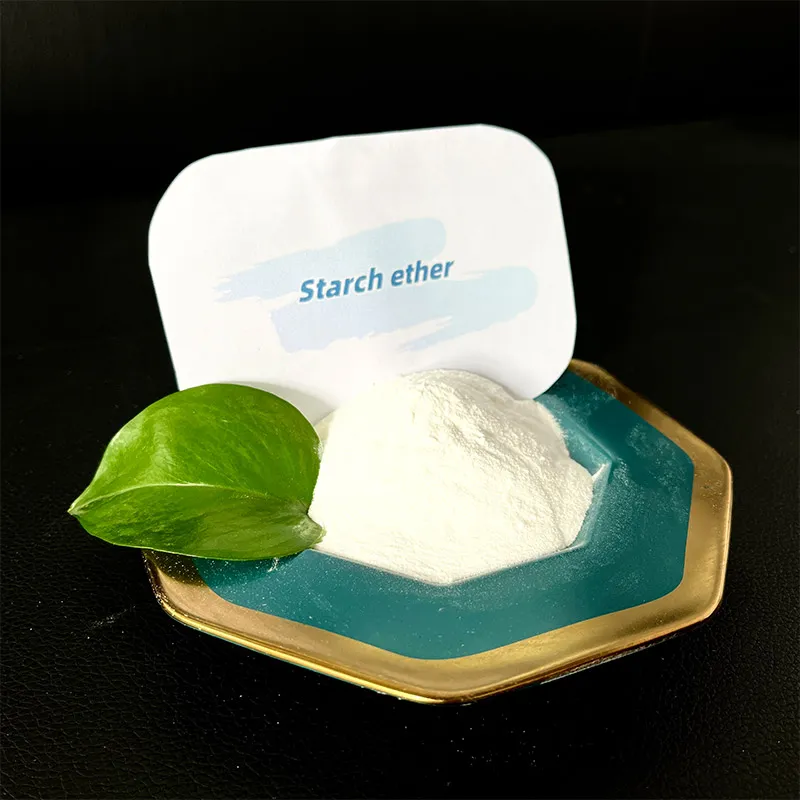
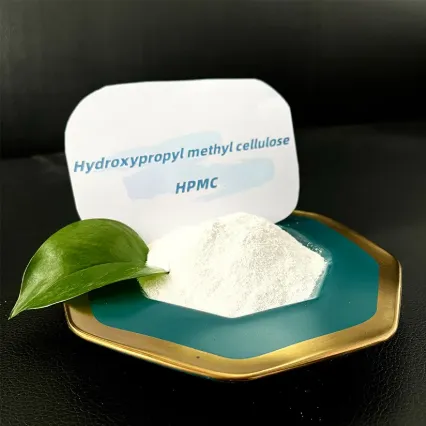


In the construction world, performance and durability are top priorities. Hydroxypropyl methylcellulose (HPMC) has emerged as an innovative solution that greatly enhances the quality of building materials. Its versatility and outstanding properties make it a vital ingredient for construction professionals worldwide. This article delves into the key physical and chemical properties of HPMC, its role as a building materials additive, and its specific applications in cement-based materials. The Physical and Chemical Marvels of Hydroxypropyl Methylcellulose The performance of hydroxypropyl methylcellulose is largely attributed to its unique physical and chemical properties. HPMC is a non-ionic, water-soluble polymer derived from cellulose. Its molecular structure allows it to function as a thickener, stabilizer, and film-forming agent. One of its standout features is its ability to retain water, which is crucial for achieving the desired consistency and longevity in building materials. This product also boasts exceptional thermal stability and pH tolerance, allowing it to perform effectively across various construction scenarios. It remains stable even in high-temperature applications, making it ideal for cement-based systems. These attributes highlight why many industry leaders turn to a trusted hydroxypropylmethylcellulose supplier for high-quality solutions that meet stringent construction standards. Transforming Building Materials with Hydroxypropyl Methylcellulose Additives When added to building materials, hydroxypropyl methylcellulose plays a transformative role in enhancing workability, durability, and performance. It improves the adhesion and cohesion of cement, ensuring mixtures retain their integrity during application and after curing. In wall putties, for example, hydroxypropyl methylcellulose in wall putty ensures the perfect balance of viscosity and spreadability. It helps eliminate sagging and cracking, guaranteeing smooth and stable finishes that can withstand the test of time. As an additive, HPMC ensures uniform distribution of water in cement-based products, enabling consistent setting and hardening across applications. Builders who rely on this product understand its ability to facilitate easier handling and application of materials, ultimately leading to a superior finished product. If you’re looking to elevate the quality of your construction output, it’s essential to buy hydroxypropyl methylcellulose from a trusted source. Hydroxypropyl Methylcellulose in Cement Applications The specific role of hydroxypropyl methylcellulose in cement formulations is a testament to its versatility. In cement-based systems, HPMC acts as both a water-retention agent and a viscosity modifier. This ensures that the cement slurry maintains the right consistency during application, preventing undesirable effects like bleeding and segregation. Moreover, HPMC extends the open time of mortars and renders, giving workers sufficient time to adjust materials to their optimal positioning. Its water-retention property ensures uniform hydration of cement particles, which not only improves the strength but also enhances the final appearance of structures. In applications such as tile adhesives, HPMC ensures superior adhesion and stability, preventing tiles from detaching over time. Many construction professionals rely on HPMC to achieve optimal results in cementitious products and prefer working with a reputable hydroxypropylmethylcellulose supplier for consistent quality. Hydroxypropyl Methylcellulose : Unmatched Versatility Across Construction Applications The applications of hydroxypropyl methylcellulose extend far beyond wall putties and cement. Its unique properties make it an integral component in a wide array of construction products. From rendering and joint compounds to adhesives and plaster, HPMC enhances product performance and application efficiency. For manufacturers, choosing to buy hydroxypropyl methylcellulose opens doors to versatile solutions tailored for modern construction needs. This additive not only improves the mechanical properties of building materials but also ensures they stand up to environmental challenges such as temperature fluctuations and moisture exposure. Experience Excellence with Hydroxypropyl Methylcellulose Hydroxypropyl methylcellulose has become the go-to additive for achieving excellence in construction materials. Its unmatched physical and chemical properties, combined with its ability to enhance workability and durability, make it indispensable for any project. Choosing the right hydroxypropylmethylcellulose supplier ensures access to high-performance materials that meet and exceed industry standards. Whether you’re looking to improve the properties of cement, wall putties, or other construction materials, HPMC is your key to creating resilient, efficient, and long-lasting structures. Embrace the possibilities of hydroxypropyl methylcellulose today and see the difference it makes in your projects!
- 40000tons

Production
- 20+years

Experience
- 5000+㎡

Acreage

-
Hydroxypropyl methylcellulose (HPMC) is a versatile and reliable polymer commonly adopted in various industries, known for its exceptional properties and diverse applications. Leveraging firsthand experience and expert knowledge can significantly enhance the understanding of HPMC's roles in product formulations and manufacturing processes, establishing its reputation for reliability and effectiveness. Manufacturers have long endorsed HPMC as a critical component in the pharmaceutical industry for its powerful film-forming capabilities, which are crucial in developing tablet coatings. These coatings serve multiple purposes, such as masking unpleasant tastes, protecting the active ingredients from environmental factors, and ensuring controlled release of medication, thus enhancing drug efficacy and patient compliance. Its non-toxic nature furthers its reliability, promoting trust among healthcare professionals and consumers alike, enforcing its authoritativeness in demanding healthcare applications. In the construction sector, HPMC is extensively utilized due to its ability to provide ideal water retention and workability in cement-based products, such as tile adhesives and renders. The material's consistency ensures seamless application and stable adhesion properties, which reduces shrinkage and cracking in cured cement, reinforcing structural integrity. Years of expertise in construction formulations underscore the importance of HPMC in achieving high-performance and durable outcomes, elevating its perceived trustworthiness among builders and contractors. Moreover, the food industry benefits from HPMC's flexibility as a dietary fiber supplement and an emulsifier . Its use in low-fat foods and gluten-free products demonstrates its indispensable role in delivering desirable textures and palatability while maintaining nutritional profiles. Chefs and food technologists acknowledge the polymer's capacity to stabilize foams and gels, underpinning its crucial function in modern culinary innovations, reinforcing its authoritative presence in food technology. hpmc is used as In the realm of cosmetics, HPMC showcases its multifaceted utility in formulating personal care products like lotions, creams, shampoos, and gels. Offering desirable viscosity control and moisture retention, it ensures optimal product performance that meets consumer expectations for skin and hair care. The confidence placed in HPMC by formulators and dermatological experts reinforces its credibility and promotes its widespread acceptance as a key functional ingredient in beauty products. Overall, HPMC's polymeric structure allows it to play integral roles across industries, emphasizing its superior functional benefits that stand the test of expert scrutiny. Its non-reactivity, environmental stability, and hydrophilic characteristics enhance its desirability across technical applications, reflecting a level of reliability and expert endorsement that other materials strive for but seldom achieve. The continued application and innovation around HPMC across diverse sectors underline its enduring reputation for quality and reliability. Drawing on comprehensive professional experiences and authoritative research, its versatility and effectiveness as a stabilizing and binding agent secure its forward-looking presence in cutting-edge product development. Industries can rely on such a trusted ingredient, secure in the knowledge that it will consistently meet and exceed expectations, underlining its indispensable role wherever it's used.
-

Different Types of Synthetic Fibers Synthetic fibers have revolutionized the textile industry since their inception in the early 20th century. These man-made materials, derived from chemical processes or petroleum products, have become indispensable due to their unique properties, versatility, and cost-effectiveness. In this article, we will explore the different types of synthetic fibers, highlighting their characteristics, uses, and contributions to various industries. 1. Polyester One of the most widely used synthetic fibers is polyester, which is known for its strength, durability, and resistance to shrinking and stretching. Polyester is commonly produced from polyethylene terephthalate (PET) and is often blended with natural fibers like cotton to enhance fabric performance. Its low moisture absorbance makes it an excellent choice for athletic wear, outdoor clothing, and home textiles such as curtains and upholstery. Additionally, polyester is easy to wash and dries quickly, further contributing to its popularity in the fashion industry. 2. Nylon Developed in the 1930s, nylon was the first synthetic fiber made entirely from petrochemicals. Known for its remarkable elasticity and resilience, nylon is often used in products requiring high strength, such as fishing lines, ropes, and tire cords. In the apparel sector, nylon is favored for its lightweight qualities and ability to dry quickly, making it ideal for activewear and swimwear. Furthermore, nylon can be produced in various textures and finishes, enabling its application in a wide range of clothing and accessories. 3. Acrylic Acrylic fibers, often used as substitutes for wool, are known for their lightweight and warmth. They are created from polymers of acrylonitrile and possess excellent colorfastness, meaning they retain their color even after extensive washing. Acrylic is commonly found in sweaters, blankets, and upholstery fabrics. Although they mimic the feel of natural wool, acrylic fibers are often more affordable and easier to care for, making them a popular choice for both consumers and manufacturers. different types of synthetic fibers 4. Spandex Spandex, also known as elastane, is a synthetic fiber celebrated for its exceptional elasticity. Typically composed of a polymer called polyurethane, spandex can stretch up to five times its original length. This characteristic makes it an ideal component in garments requiring flexibility, such as athletic apparel, swimwear, and undergarments. Often blended with other fibers, spandex enhances fit and comfort while providing support and shape retention. 5. Rayon Though technically derived from natural materials, rayon is classified as a semi-synthetic fiber due to chemical processing. Made from regenerated cellulose, rayon exhibits similar characteristics to silk, making it a popular choice for affordable luxury fabrics. Rayon drapes beautifully and has excellent breathability, making it suitable for summer clothing, dresses, and linings. However, rayon's susceptibility to wrinkling and moisture absorption requires careful handling during washing and drying. 6. Olefin Olefin fibers, also known as polypropylene fibers, are notable for their high resistance to moisture, stains, and mildew. This makes them an excellent choice for outdoor furniture, carpets, and automotive interiors. Olefin is lightweight and has good thermal insulation properties, which can be advantageous in clothing designed for colder climates. However, olefin can be less colorfast than other synthetic fibers, which may affect its use in fashion applications. Conclusion The development of synthetic fibers has not only expanded the range of available materials in the textile industry but has also provided innovative solutions across various sectors. Each type of synthetic fiber offers distinct advantages, catering to different consumer needs and preferences. From polyester and nylon's durability to spandex's elasticity, synthetic fibers continue to play a vital role in modern manufacturing and fashion. As technology advances, the potential for new types of synthetic fibers will likely continue to emerge, further enhancing the versatility and capabilities of textiles worldwide.
advantages
-

200000 Viscosities
Excellent product
We can produce pure products up to 200,000 viscosities
-

40000 tons
High yield
We don’t stop production all year round, and the annual output can reach 40,000 tons
-

24 hours
Quality service
We provide 24-hours online reception service, welcome to consult at any time
———— Inquiry Form
Schedule A services
-
 polypropylene_fiber_manufacturers
Oct . 25, 2025
The enduring performance of rubber powder in building materials stems from its inherent molecular st -
 hpmc_vs_mc
Oct . 25, 2025
Redispersible emulsion powder is a vital ingredient in modern construction materials, offering numer -
 serat_polipropilen_untuk_beton
Oct . 25, 2025
Hydroxypropyl methylcellulose (HPMC) is a versatile polymer widely used in the pharmaceutical, food,


